Clinical Assessment Tool
BODY MASS INDEXUtilize our Precision BMI Engine to decode your body composition. This assessment provides a baseline for metabolic health based on the World Health Organization (WHO) standards.Input Metrics
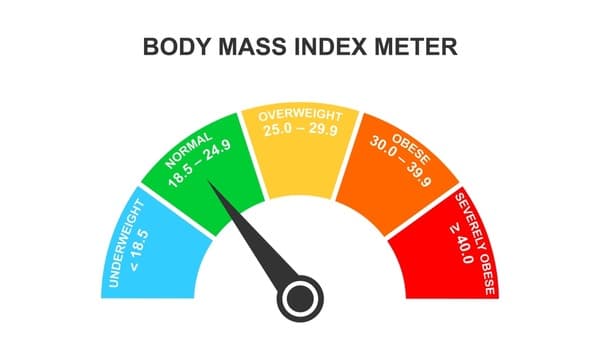 Awaiting Input Data...
01. The Quetelet IndexDeveloped by Adolphe Quetelet in the 19th century, BMI serves as a proxy for Total Body Fatness. While it doesn't measure fat directly, research shows it correlates strongly with metabolic markers of disease.
BMI = Mass (kg) / Height (m)²Standard Metric Formula
90%Accuracy RangeFor the general sedentary population, BMI is a highly reliable indicator of health risks.
Clinical Classification Matrix
| Status | BMI Range | Physiological Risk Profile |
|---|---|---|
| Underweight | < 18.5 | Immune dysfunction & Micronutrient depletion |
| Optimal | 18.5 - 24.9 | Baseline metabolic homeostasis |
| Overweight | 25.0 - 29.9 | Pre-clinical markers for CVD and Type II Diabetes |
| Obese (Class I) | 30.0 - 34.9 | High risk of chronic systemic inflammation |
| Obese (Class II) | 35.0 > | Severe risk of mobility loss & clinical cardiac events |
04. BMI vs Body Fat Analysis
Men's Body Fat Standards
Essential Fat
2-5%
BMI: 18.5-22
Athletic
6-13%
BMI: 20-25
Fitness
14-17%
BMI: 22-27
Average
18-24%
BMI: 25-30
Obese
25%+
BMI: 30+
Women's Body Fat Standards
Essential Fat
10-13%
BMI: 18.5-22
Athletic
14-20%
BMI: 20-25
Fitness
21-24%
BMI: 22-27
Average
25-31%
BMI: 25-30
Obese
32%+
BMI: 30+
05. Complete Health Assessment
Additional Measurements
Waist-to-Hip Ratio
M: <0.90, F: <0.85Visceral fat distribution assessment
Waist-to-Height Ratio
<0.50 for all adultsCardiovascular risk predictor
Body Fat Percentage
M: 10-18%, F: 16-24%Direct adiposity measurement
Key Biomarkers
Fasting Glucose
Optimal: <100 mg/dLScreens for: Type 2 Diabetes
HDL Cholesterol
Optimal: M: >40, F: >50 mg/dLScreens for: Cardiovascular Disease
Blood Pressure
Optimal: <120/80 mmHgScreens for: Hypertension
!
03. Beyond the Number: The "Skinny Fat" & "Fit Heavy" ParadoxThe Athlete ExceptionMuscle tissue is 18% denser than fat. Elite athletes often record "Obese" BMI scores despite having single-digit body fat percentages.
The Sarcopenia TrapSedentary adults may have a "Normal" BMI but possess high levels of Visceral Fat (fat around organs), which is more dangerous than subcutaneous fat.
"BMI is a screening tool, not a diagnostic one."BMI helps estimate body fat based on height and weight, but it does not account for muscle mass, bone density, age, or gender differences.Athletes and strength-trained individuals may have a higher BMI despite having low body fat, while others may fall within a normal BMI range yet carry excess visceral fat.For a 360-degree health assessment, combine BMI with Waist-to-Height Ratio, Body Fat Percentage, Blood Pressure, and resting heart rate.
Optimize FurtherPrecision tools for the dedicated athlete.